Web Analytics

9 Best Pediatric Stethoscopes for Nurses, Students & Specialists (2026)

Listening to a squirming toddler’s heart over the sound of a crying sibling, a beeping monitor, and a hallway full of chatter is nothing like listening to an adult patient in a quiet exam room. If you’ve ever pressed a standard adult stethoscope against a six-month-old’s chest and gotten back a muffled mess of nothing useful, you already know why the best pediatric stethoscope isn’t just a “smaller version” of your everyday scope. It’s a different tool built for a different job.

Pediatric patients have smaller chest cavities, faster heart rates, and higher-pitched heart and lung sounds than adults. A chestpiece that’s too large won’t seal properly against a small ribcage, and a diaphragm tuned for adult frequencies can miss the subtle murmurs and crackles that matter most in kids. That’s the whole reason pediatric-specific and infant-specific stethoscopes exist — smaller chestpieces, tighter acoustic tuning, and (on the good ones) skin-friendly, non-chill rims that don’t make a newborn scream the second the metal touches their chest.

This guide breaks down the best pediatric stethoscope options for 2026, whether you’re a nursing student building your clinical kit, a working pediatric nurse who needs something reliable for a 12-hour shift, or a NICU or cardiology specialist who needs serious acoustic precision. We’ll cover:

  • How pediatric auscultation actually differs from adult auscultation
  • Our top 9 picks, organized by who they’re actually best for
  • A full comparison table so you can scan specs in seconds
  • A breakdown of chestpiece sizing (adult vs. pediatric vs. infant/neonatal)
  • Answers to the most common questions nurses and students ask before buying

We put this list together by looking at acoustic specs, chestpiece dimensions, materials, warranty terms, and — most importantly — what pediatric nurses, NICU staff, and nursing instructors consistently say holds up in real clinical use. Let’s get into it.


Quick Comparison Table: Best Pediatric Stethoscopes at a Glance

Model Best For Chestpiece Size Acoustic Performance Weight Warranty Price Range
3M Littmann Classic II Pediatric Best Overall 3.3 cm Excellent 4.1 oz 5 years $$$
3M Littmann Classic II Infant Best for Neonatal & NICU 2.5 cm Excellent (infant-tuned) 3.9 oz 5 years $$$
MDF Acoustica Pediatric Best Budget Pick 3.3 cm Very Good 4.6 oz Lifetime $
Eko CORE 500 Digital Stethoscope Best Digital Option Adjustable/adult-pediatric Outstanding (amplified) 5.1 oz 2 years $$$$
ADC Adscope 604 Pediatric Best Value for Money 3.2 cm Very Good 4.3 oz Lifetime $$
3M Littmann Cardiology IV (Pediatric Side) Best for Cardiology & Versatility 3.3 cm pediatric / 4.6 cm adult Exceptional 6.2 oz 7 years $$$$
Welch Allyn Harvey DLX Triple-Head Best for Murmur Detection 3.4 cm Excellent 5.5 oz Lifetime $$$
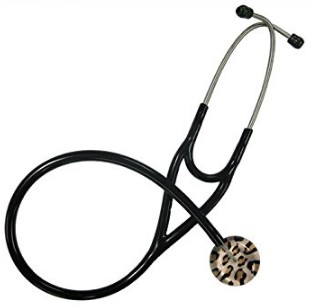
Ultrascope Pediatric (Design Series) Best Customizable Option 3.3 cm Very Good 4.4 oz 2 years $$
Prestige Medical Clinical Lite Pediatric Best Ultra-Lightweight 3.2 cm Good 3.5 oz 3 years $

Our Top Picks for the Best Pediatric Stethoscopes

1. 3M Littmann Classic II Pediatric — Best Overall Pediatric Stethoscope

Why We Recommend It

If you ask a working pediatric nurse to name one stethoscope off the top of their head, this is usually it. The Littmann Classic II Pediatric has been the go-to pediatric scope for years, and it’s earned that reputation the hard way — through daily use in children’s hospitals, pediatric clinics, and nursing programs everywhere. The tuned diaphragm technology lets you switch between low and high-frequency sounds just by adjusting pressure, which matters a lot when you’re trying to catch both a soft murmur and a wheeze in the same visit.

Why Nurses Like It

The 3.3 cm chestpiece is small enough to get a proper seal on most pediatric patients without feeling like a toy, and the tubing is thick enough to block out ambient hospital noise — something you’ll appreciate the first time you’re trying to auscultate in a busy peds ER. The headset also adjusts easily, which matters if you’re sharing a scope or just have a smaller ear canal.

Pros

  • Excellent acoustic clarity for heart and lung sounds
  • Lightweight enough for long shifts
  • Comfortable, adjustable headset
  • Widely trusted across pediatric units, so preceptors and physicians recognize it instantly

Cons

  • Premium price compared to off-brand options
  • Not ideal for neonates or preemies (the infant version fits that need better)

Best For: Pediatric nurses, children’s hospital staff, general pediatric practice, and nursing students who want one dependable scope for the rest of their pediatric rotations.

Bottom Line: If you only buy one pediatric stethoscope in your career, this is the safest, most field-tested choice on the market.


2. 3M Littmann Classic II Infant — Best for Neonatal & NICU Care

Why We Recommend It

This is the model that gets overlooked by a lot of buying guides, and it shouldn’t be. The Classic II Pediatric and the Classic II Infant are not the same stethoscope — the Infant version has a smaller 2.5 cm chestpiece specifically built for newborns and preemies, where a standard pediatric diaphragm is actually too large to get a clean seal.

Why Nurses Like It

NICU and neonatal nurses need to hear extremely faint, high-pitched heart and lung sounds on tiny chests, and a chestpiece sized for a toddler simply won’t cut it on a 4-pound preemie. This scope solves that problem directly, and it shares the same acoustic tuning technology as its pediatric sibling, so sound quality doesn’t take a hit for the smaller size.

Pros

  • Purpose-built for newborns and premature infants
  • Same trusted Littmann acoustic tuning as the Classic II line
  • Comfortable, lightweight design for repeated daily use

Cons

  • Too small to be practical for toddlers or older pediatric patients
  • Premium pricing similar to the standard pediatric model

Best For: NICU nurses, neonatal units, labor and delivery nurses, and pediatric nurse practitioners who regularly assess newborns.

Bottom Line: For neonatal work specifically, this is the more accurate tool — the standard pediatric chestpiece is genuinely too big for the smallest patients.


3. MDF Acoustica Pediatric — Best Budget Pick for Students

Why We Recommend It

Nursing school is expensive enough without dropping premium prices on every piece of equipment before you’ve even started your first rotation. The MDF Acoustica Pediatric consistently comes up as the budget option that doesn’t feel like a downgrade — it holds its own acoustically while costing a fraction of the premium brands.

Why Nurses Like It

Beyond the price, MDF backs this stethoscope with a lifetime warranty and free parts for life, which is a genuinely rare guarantee in this category. For a nursing student who’s still figuring out whether they’ll land in pediatrics long-term, that’s a low-risk way to get a real pediatric scope without a big financial commitment.

Pros

  • Budget-friendly without sacrificing core acoustic performance
  • Lifetime warranty and free-parts-for-life program
  • Available in a wide range of colors, which students tend to appreciate

Cons

  • Slightly heavier than premium competitors
  • Acoustic sensitivity isn’t quite on par with Littmann for subtle murmur detection

Best For: Nursing students, new graduate nurses, and anyone who wants a reliable pediatric stethoscope without the premium price tag.

Bottom Line: For the price, this is hard to beat — and the lifetime warranty means it can realistically be the only stethoscope you buy for years.


4. Eko CORE 500 Digital Stethoscope — Best Digital Pediatric Option

Why We Recommend It

Digital stethoscopes used to feel like overkill for anyone outside of cardiology, but that’s changed. The Eko CORE 500 amplifies heart and lung sounds up to 40x over a traditional acoustic scope, which is a genuine advantage in loud pediatric units where background noise routinely drowns out subtle findings.

Why Nurses Like It

Beyond raw amplification, the ability to record, save, and even share auscultation sounds with a physician in real time is a workflow upgrade that’s hard to overstate — especially for pediatric nurse practitioners who need a second opinion on a borderline murmur without pulling a cardiologist into the room.

Pros

  • Outstanding, amplified acoustic performance
  • Active noise reduction for busy clinical environments
  • Recording and sharing capability for collaborative diagnosis

Cons

  • Highest price point on this list
  • Requires charging and basic tech comfort, which some nurses find like one more thing to manage on shift

Best For: Pediatric nurse practitioners, cardiology-focused pediatric nurses, and anyone working in consistently loud clinical environments.

Bottom Line: If budget isn’t the deciding factor and you want the most acoustic precision available, this is the most advanced option on the list.


5. ADC Adscope 604 Pediatric — Best Value for Money

Why We Recommend It

Sitting comfortably between the budget and premium tiers, the ADC Adscope 604 Pediatric is the “best of both worlds” pick for nurses who want more than entry-level performance without paying Littmann prices.

Why Nurses Like It

The AFD (Adjustable Frequency Diaphragm) technology mirrors what you get on premium scopes, letting you toggle between low and high-frequency sounds with pressure alone. Combined with a lifetime warranty, this is frequently the pick for nurses who’ve outgrown their student stethoscope but aren’t ready to spend Littmann money yet.

Pros

  • Strong acoustic performance for the price
  • Lifetime warranty included
  • Comfortable ergonomic fit for long shifts

Cons

  • Less brand recognition than Littmann in some clinical settings
  • Chestpiece slightly smaller than some pediatric specialists prefer for older children

Best For: Working pediatric nurses who want reliable mid-tier performance without a premium price tag.

Bottom Line: A genuinely smart middle-ground pick if you want AFD-level performance without paying for the Littmann name.


6. 3M Littmann Cardiology IV (with Pediatric Side) — Best for Pediatric Cardiology & Versatility

Why We Recommend It

For nurses and providers who move between pediatric and adult patients — or who specifically work pediatric cardiology — carrying two separate stethoscopes is a hassle. The Littmann Cardiology IV solves this with a dual-head chestpiece: one side sized and tuned for pediatric patients, the other full-sized for adults.

Why Nurses Like It

This is widely regarded as one of the most acoustically sensitive stethoscopes available at any price point, which matters enormously when you’re trying to catch a faint pediatric murmur that a lower-tier scope would miss entirely. It’s an investment, but for cardiology-focused pediatric work, the acoustic ceiling here is genuinely higher than anything else on this list.

Pros

  • Exceptional acoustic sensitivity, ideal for murmur and subtle sound detection
  • Dual pediatric/adult chestpiece means one scope covers both patient populations
  • Industry-leading 7-year warranty

Cons

  • Highest price point among traditional (non-digital) stethoscopes
  • Heavier than dedicated single-head pediatric scopes, which some nurses notice on long shifts

Best For: Pediatric cardiology nurses, NPs who see mixed pediatric and adult caseloads, and clinicians who want the most acoustically capable traditional stethoscope available.

Bottom Line: It’s an investment piece, but for cardiology-level pediatric work, nothing else on this list matches its acoustic ceiling.


7. Welch Allyn Harvey DLX Triple-Head — Best for Advanced Murmur Detection

Why We Recommend It

The Harvey DLX has a long-standing reputation in cardiology circles, and its triple-head design (adult, pediatric, and infant) makes it a surprisingly practical pick for pediatric units that see a wide age range — from newborns through adolescents.

Why Nurses Like It

The tunable diaphragm technology here is specifically engineered for murmur and heart sound differentiation, which is exactly what you want when a subtle finding needs to be confirmed rather than guessed at. The lifetime warranty also makes this a long-term investment rather than a scope you’ll replace in a few years.

Pros

  • Three interchangeable chestpiece sizes in one stethoscope
  • Excellent for detecting and differentiating subtle heart murmurs
  • Lifetime warranty

Cons

  • Bulkier than single-head pediatric scopes
  • Learning curve for nurses unfamiliar with switching chestpieces

Best For: Pediatric cardiology units, NICU-to-adolescent care settings, and clinicians who need serious murmur detection across multiple age groups.

Bottom Line: If your patient population spans newborns to teenagers, this triple-head design solves a real logistical problem.


8. Ultrascope Pediatric (Design Series) — Best Customizable Option

Why We Recommend It

Here’s something a lot of buying guides skip entirely: pediatric patients are often scared of medical equipment, and a stethoscope with a fun, colorful design can genuinely ease anxiety before an exam. Ultrascope leans into this with fully customizable, hand-painted chestpieces featuring animals, cartoons, and bright patterns.

Why Nurses Like It

Beyond the novelty factor, this isn’t a toy — it’s a real acoustic stethoscope with solid performance, just wrapped in a design that makes a nervous four-year-old more willing to sit still for an exam. Pediatric and school nurses in particular report that it makes a noticeable difference in patient cooperation.

Pros

  • Fully customizable designs that reduce patient anxiety
  • Solid acoustic performance for the price
  • Popular with pediatric and school nurses specifically for patient rapport

Cons

  • Shorter warranty than most competitors on this list
  • Not the top acoustic performer for cardiology-level precision

Best For: Pediatric nurses, school nurses, and outpatient pediatric clinics where patient comfort and cooperation directly affect exam quality.

Bottom Line: A smart pick when patient rapport is as important as raw acoustic performance — which, in pediatrics, it often is.


9. Prestige Medical Clinical Lite Pediatric — Best Ultra-Lightweight Option

Why We Recommend It

At 3.5 ounces, this is the lightest stethoscope on this list, and for nurses working back-to-back 12-hour shifts, that weight difference is noticeable by hour eight. It’s a straightforward, no-frills pediatric scope that prioritizes comfort and affordability over premium acoustic features.

Why Nurses Like It

It’s an easy recommendation for nursing students or float nurses who need a dependable, comfortable scope without a big investment — especially if pediatrics isn’t your full-time specialty and you just need something reliable for occasional pediatric patients.

Pros

  • Extremely lightweight for all-shift comfort
  • Affordable price point
  • Simple, durable construction

Cons

  • Acoustic performance is good, not exceptional
  • Shorter warranty than lifetime-backed competitors

Best For: Nursing students, float pool nurses, and anyone who wants a comfortable, budget-conscious pediatric stethoscope for occasional use.

Bottom Line: If comfort and weight matter more to you than top-tier acoustics, this is the most wearable option on the list.


Best Pediatric Stethoscope by Use Case

Different pediatric roles genuinely need different tools. Here’s how to match your specialty to the right pick, whether you’re searching for the best stethoscope for pediatric nurses or the best pediatric stethoscope for nurses working in a specific clinical setting — these terms get used interchangeably, but the underlying need is the same: acoustic accuracy sized correctly for a child’s chest.

For general pediatric nursing — floor nurses, outpatient clinic nurses, and school nurses — the 3M Littmann Classic II Pediatric remains the safest, most versatile choice. It’s sized correctly for the majority of pediatric patients, acoustically strong enough for day-to-day assessments, and recognized instantly by physicians and preceptors, which matters more than people expect when you’re building clinical credibility early in your career.

For nurses working specifically in hospital pediatric units with a broader mix of ages and acuities, the Welch Allyn Harvey DLX Triple-Head or the Littmann Cardiology IV are worth the higher investment, since both give you flexibility across a wider patient range without needing a second stethoscope in your bag.

Best Infant Stethoscope

When you’re working with newborns specifically, chestpiece size stops being a minor detail and becomes the whole ballgame. A standard pediatric diaphragm at 3.3 cm is simply too large to seal properly against a newborn’s chest, which means you lose acoustic accuracy exactly when you need it most. The 3M Littmann Classic II Infant, with its 2.5 cm chestpiece, is built specifically to solve this — it’s the clearest answer to “what’s the best infant stethoscope” available in a traditional acoustic format.

Best Pediatric and Neonatal Stethoscope

If your unit sees both pediatric and neonatal patients — think NICU step-down units or combined pediatric floors — you have two solid paths. Either carry the Littmann Classic II Pediatric alongside the Classic II Infant for dedicated accuracy at each size, or invest in a multi-head option like the Welch Allyn Harvey DLX, which covers infant, pediatric, and adult sizing in a single stethoscope. For nurses who genuinely need both, dedicated models edge out convertibles on raw acoustic accuracy at each size.

Best Pediatric Cardiology Stethoscope

Murmur detection requires more acoustic sensitivity than routine auscultation, which is where the 3M Littmann Cardiology IV earns its premium price tag. Its tunable diaphragm technology is specifically engineered to isolate low-frequency and high-frequency sounds with a level of clarity that budget and mid-tier scopes simply can’t match. For cardiology-focused pediatric nursing, this is the model most consistently recommended by cardiac specialists.


Clearing Up the Littmann Classic III Myth

If you’ve spent any time comparing stethoscopes online, you’ve probably seen the Littmann Classic III listed as a pediatric option because of its dual-sided chestpiece — one side sized for adults, one side smaller and marketed as pediatric-capable. Technically, that’s true. Practically, it’s a bit misleading.

The Classic III’s “pediatric side” chestpiece is still larger than the dedicated Classic II Pediatric diaphragm, which means it doesn’t get quite as tight a seal on smaller or younger pediatric patients. Nurses who work pediatrics as a core part of their role consistently report better real-world results with the dedicated Classic II Pediatric or Infant models. The Classic III is a great general-purpose stethoscope if you split your time between adult and pediatric patients and want one scope for both — but if pediatrics is your primary focus, a dedicated pediatric or infant model will outperform it every time.


How to Choose the Best Pediatric Stethoscope

Chestpiece Size Matters

This is the single most important spec on this entire list, and it’s the one most buying guides gloss over. Chestpiece size directly determines whether you get an accurate acoustic seal:

  • Adult chestpiece: ~4.4 cm — too large for most pediatric patients
  • Pediatric chestpiece: ~3.3 cm — appropriate for toddlers through school-age children
  • Infant/neonatal chestpiece: ~2.5–2.7 cm — necessary for newborns and preemies

Using an adult or even a standard pediatric chestpiece on a newborn doesn’t just make things awkward — it genuinely allows ambient air to leak in around the edges of the diaphragm, muffling the exact sounds you’re trying to isolate. If you regularly work with infants, this isn’t a minor preference; it’s a diagnostic accuracy issue.

Acoustic Sensitivity

Pediatric heart and lung sounds tend to be higher-pitched and, frankly, quieter than adult sounds, especially in smaller infants. Look for tunable or adjustable-frequency diaphragm technology (found on the Littmann and ADC AFD lines in this guide), which lets you isolate low-frequency sounds like certain murmurs versus higher-frequency sounds like breath sounds, just by changing how much pressure you apply.

Weight and Comfort

If you’re doing back-to-back 12-hour shifts, a heavier stethoscope adds up. It’s a small detail until hour ten of your shift, when a stethoscope hanging around your neck for the entire day starts to matter more than you’d expect. Lighter options like the Prestige Medical Clinical Lite are worth prioritizing if comfort is a bigger concern for you than top-tier acoustic performance.

Durability and Warranty

Pediatric units are chaotic by nature — expect drops, tugs from curious toddlers, and general daily wear. A stethoscope backed by a lifetime warranty (MDF, ADC, Welch Allyn) or a long multi-year warranty (Littmann’s 5–7 year range) protects your investment far better than a cheap, unbranded scope with no real warranty coverage.

Infection Control and Non-Chill Features

A cold metal chestpiece pressed against a child’s bare skin is a fast way to turn a routine exam into a screaming match — and it can genuinely affect how cooperative a young patient is for the rest of the visit. Non-chill rims, which use a soft, skin-temperature-neutral material around the diaphragm edge, are worth prioritizing if you work primarily with younger pediatric patients. If you’re working in an isolation unit or infectious disease setting, it’s also worth looking into single-patient-use disposable stethoscope options as a supplement to your primary scope, since sharing acoustic equipment between immunocompromised patients carries real infection control risk.

Digital vs. Traditional Pediatric Stethoscopes

Digital stethoscopes like the Eko CORE 500 offer real advantages — amplified sound, noise cancellation, and the ability to record and share findings with a physician. The tradeoff is cost and a slightly steeper learning curve. For most day-to-day pediatric nursing, a well-made traditional acoustic stethoscope like the Littmann Classic II Pediatric is more than capable. Digital options make the most sense for nurse practitioners, cardiology-focused roles, or anyone working in an especially loud clinical environment where amplification genuinely changes what you can hear.


Pediatric Stethoscope vs. Adult Stethoscope

Can You Use an Adult Stethoscope on Children?

Technically, yes — and in a pinch, most nurses have done it. But the tradeoffs are real. An adult-sized chestpiece is often too large to get a proper seal against a child’s smaller chest, particularly in infants and toddlers. You’ll frequently pick up transmitted sounds from surrounding areas of the chest rather than isolating the specific area you’re trying to assess, which can lead to missed or misattributed findings.

Why Pediatric-Specific Models Perform Better

A properly sized pediatric chestpiece seals more precisely against smaller anatomy, which means less ambient sound interference and a clearer signal for exactly what you’re listening for. Combined with acoustic tuning designed around higher-pitched pediatric heart and lung sounds, a dedicated pediatric stethoscope isn’t just more comfortable to use on kids — it’s measurably more accurate.


Frequently Asked Questions

What is the best pediatric stethoscope overall? The 3M Littmann Classic II Pediatric is the most widely recommended overall pick, thanks to its proven acoustic performance, appropriately sized chestpiece, and strong brand trust across pediatric clinical settings.

Which stethoscope is best for pediatric nurses? For general pediatric nursing, the Littmann Classic II Pediatric offers the best balance of accuracy, comfort, and durability for daily shift use. Nurses who split time between pediatric and adult patients may prefer a dual-head option like the Littmann Cardiology IV.

Is the Littmann pediatric stethoscope worth the money? For most working pediatric nurses, yes. The acoustic clarity and long-term durability tend to pay off over years of daily use, and the resale and brand-recognition value is genuinely higher than budget alternatives. Students on a tighter budget can still get strong performance from the MDF Acoustica Pediatric.

What is the best stethoscope for infants? The 3M Littmann Classic II Infant, with its smaller 2.5 cm chestpiece, is purpose-built for newborns and preemies and outperforms standard pediatric diaphragms in this age group.

Can nursing students use a pediatric stethoscope? Absolutely — many nursing programs recommend or require one for pediatric rotations. Budget-friendly options like the MDF Acoustica Pediatric or Prestige Medical Clinical Lite are popular choices for students who want reliable performance without a premium price tag.

What is the best pediatric cardiology stethoscope? The 3M Littmann Cardiology IV, with its dedicated pediatric side and tunable diaphragm technology, is the top choice for murmur detection and other cardiology-focused pediatric assessments.

How much should I spend on a pediatric stethoscope? Budget options run around $30–50, mid-tier models around $60–100, and premium options like the Littmann Cardiology IV or Eko CORE 500 can run $200 or more. For most working nurses, a mid-tier or premium acoustic model offers the best long-term value, since it’s a tool you’ll likely use daily for years.

Are digital pediatric stethoscopes better? They offer real advantages in amplification and noise cancellation, which matters in loud clinical settings, but they’re not strictly “better” for everyone. Most day-to-day pediatric nursing is well served by a quality traditional acoustic stethoscope, and digital models make the most sense for cardiology-focused or high-noise-environment roles.


Final Verdict: Which Pediatric Stethoscope Should You Buy?

Choosing the right stethoscope really comes down to being honest about how you’ll actually use it. Here’s how the picks break down:

  • Best Overall: 3M Littmann Classic II Pediatric — the safest, most field-tested choice for general pediatric nursing.
  • Best for Neonatal & NICU Care: 3M Littmann Classic II Infant — the correctly sized option for newborns and preemies.
  • Best Budget Pick: MDF Acoustica Pediatric — strong performance and a lifetime warranty at a student-friendly price.
  • Best for Pediatric Cardiology: 3M Littmann Cardiology IV — the acoustic ceiling for murmur detection and dual-population versatility.
  • Best Value: ADC Adscope 604 Pediatric — mid-tier pricing with premium-adjacent AFD technology.

If you’re only going to own one pediatric stethoscope, the Littmann Classic II Pediatric earns its reputation for a reason — it’s the one option on this list that performs reliably across nearly every general pediatric setting, from clinicals to your first full-time floor job. From there, your specialty should guide any additional investment: neonatal nurses gain real accuracy from the infant-specific chestpiece, and cardiology-focused nurses will notice the difference a tunable, dual-head scope like the Cardiology IV makes on subtle findings.

Whichever model fits your role, the right pediatric stethoscope is one you’ll reach for on every single shift — so it’s worth taking the extra few minutes to match the chestpiece size and acoustic profile to the patients you actually see most.


Leave a Comment

This site uses Akismet to reduce spam. Learn how your comment data is processed.